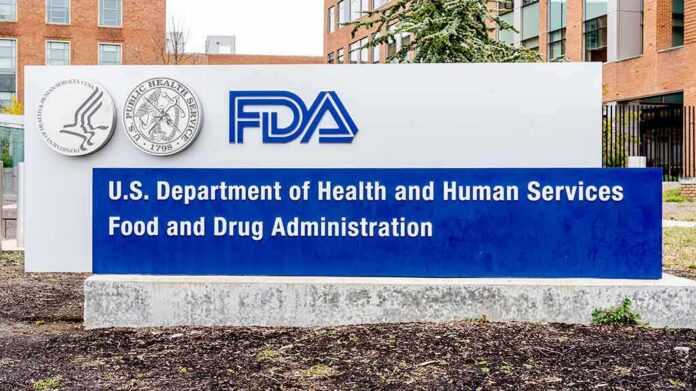
Federal health regulators just admitted their own test wrongly pinned an “explosive diarrhea” parasite on a major Taco Bell lettuce supplier — and they quietly scrubbed the original warning after the damage was done.
Story Snapshot
- The Food and Drug Administration (FDA) now says its Taco Bell lettuce parasite test was a false positive, with no confirmed contaminated product.
- Taylor Farms says the FDA told them it “made a mistake,” but the company’s name is still tied to the outbreak in headlines and social media.
- The agency kept a broad recall in place and has not clearly named the real source, leaving families confused about what food is actually safe.
- This misfire shows how powerful federal agencies can wreck reputations first and correct the record later, with little accountability.
FDA reverses course after pinning outbreak on Taco Bell lettuce supplier
Federal health officials first pointed the finger at shredded iceberg lettuce used at some Taco Bell locations, suggesting it carried Cyclospora, a parasite that causes severe diarrhea and stomach pain. Investigators used patient interviews and traceback records to zero in on a single lettuce supplier in Mexico that served Taco Bell in at least five states. That early message spread fast through national outlets and social media, telling Americans the Taco Bell lettuce supply was the problem long before the science was fully checked.
The Food and Drug Administration (FDA) later re-reviewed its own lab work on a Taylor Farms de Mexico lettuce sample and found the initial result was not real contamination. The agency now says the test showed “false amplification” and must be treated as a false positive, meaning the lettuce did not actually contain Cyclospora. FDA also stated that, as of July 19, there are no confirmed positive product tests for the parasite at all. This means the strongest lab claim that backed the public scare has been withdrawn.
Taylor Farms pushes back while recall and investigations continue
Taylor Fresh Foods, the parent company of Taylor Farms, publicly confirmed that FDA told them it had made a mistake and that the earlier Cyclospora finding was a false positive. The company said FDA “made a mistake” and stressed that regulators have not identified a single positive product test for Cyclospora. At the same time, Taylor Farms had already launched a wide voluntary recall of iceberg lettuce grown in central Mexico and shipped to 27 states, in an effort to protect customers and calm fears.
Even after the false positive was admitted, FDA signaled the recall would stay in place as a precaution, and the agency continues working with the supplier to keep any possibly risky lettuce off the market. Federal investigators also still describe Taylor Farms as the single identified iceberg lettuce supplier in the traceback review tied to Taco Bell locations where sick people ate. For many readers, that sounds like guilt by association, even though the government now says its key test result was wrong and has pulled that notice from its outbreak updates.
Media, history, and the power of a rushed federal warning
The New York Post highlighted the reversal with a headline saying FDA “walks back” its claim after a test pinned an “explosive diarrhea” parasite on the Taco Bell lettuce supplier, locking that phrase to Taylor Farms in public memory. Other outlets reminded audiences that Taylor Farms had been tied to earlier outbreaks, including a 2013 Cyclospora incident linked to salad mix and a 2024 E. coli outbreak involving onions at McDonald’s. That history makes it easier for people to assume the first FDA warning was probably right, even after the lab science changed direction.
Food safety experts say modern DNA-based tests are very sensitive and can create presumptive positives that later fail confirmation, especially with hard-to-track parasites like Cyclospora. FDA guidance even encourages companies to act on presumptive positives and stop shipping product, because the safest path is to protect consumers right away. But when the federal government blasts out a warning and names or strongly hints at a company, the recall may be short, yet the reputational hit is long. For Taylor Farms, the phrase “explosive diarrhea parasite” may now shadow every online search.
Unanswered questions and why accountability matters to consumers
FDA has not publicly released the detailed lab report that shows exactly how the Cyclospora test went wrong, so independent scientists cannot review the false amplification pattern or the method used. The agency also has not shared the specific lot number, production date, or sample identification that was tested, which would allow private labs or universities to re-check the same material and verify the error. That lack of transparency fuels doubts about both the first warning and the later correction, especially for families who got sick and want clear answers.
Taylor Farms has recalled iceberg lettuce distributed in 27 states, sharply expanding the scope of a cyclospora outbreak initially linked to lettuce served at Taco Bell restaurants in five states. https://t.co/7ZmmdgiphX
— San Francisco Chronicle (@sfchronicle) July 20, 2026
The bigger issue for many conservative readers is how fast a powerful agency can damage trust in the food supply and a company’s name, then quietly reverse itself without clear accountability or reform. This case shows a pattern: regulators rush out broad alerts, companies bear the cost and blame, and the final scientific story is messy or incomplete. In an America already wary of federal overreach and bureaucratic mismanagement, the FDA’s handling of the Taco Bell lettuce scare will likely deepen calls for tighter oversight, stronger lab standards, and real consequences when unelected officials get it wrong.
Sources:
nypost.com, nbcnews.com, devdiscourse.com, fda.gov, instagram.com, facebook.com, youtube.com