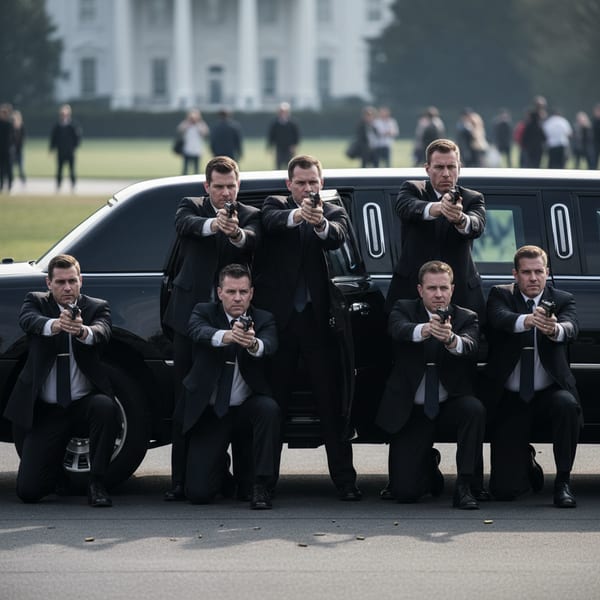
A fourth alleged assassination attempt against President Trump has renewed concerns about inflammatory media rhetoric, with critics pointing to commentary aired just 30 minutes before the incident as evidence of dangerous messaging that may influence unstable individuals.
Timing Raises Questions About Media Influence
CNN commentator S.E. Cupp appeared on air approximately half an hour before the incident involving Cole Allen, making statements that critics say exemplify the type of extreme rhetoric that has become commonplace in mainstream media coverage of the Trump administration. Cupp’s commentary included characterizations of the president that some analysts believe contribute to a climate where violence against political figures becomes rationalized by disturbed individuals. The proximity of her remarks to the alleged attempt has intensified scrutiny of media responsibility in political discourse.
Why do I blame the left? Well this CNN commentator S.E. Cupp made these comments just 15 minutes or so before the gunshots. Stroking the seeds of discourse along with the hosts.
We need accountability! Did the SPLC have a hand in this? Pull all the phone and email records. https://t.co/ezUQZiPuqY pic.twitter.com/JIdLfowvLx
— Therealrob (@Therealrobx) April 26, 2026
Pattern of Escalating Political Language
Media watchdog groups have documented a sustained pattern of escalating language used to describe the Trump administration, including frequent comparisons to authoritarian regimes and accusations that the president seeks to harm American citizens. These characterizations have become standard talking points across progressive media outlets, appearing with such regularity that they no longer register as extreme to many viewers. Critics argue this normalization of inflammatory rhetoric creates an environment where individuals predisposed to violence may feel their actions are justified or even necessary to protect the country.
Questions About Media Accountability
The incident has prompted renewed calls for media self-examination regarding the potential consequences of political commentary. Law enforcement officials investigating Cole Allen’s motives have noted that his expressed beliefs about the president closely mirror messaging found in mainstream media sources. While media personalities maintain their commentary falls within protected political speech, critics argue there should be greater consideration of how such messaging might be received by mentally unstable individuals. The debate over where to draw the line between vigorous political criticism and potentially dangerous incitement continues to divide observers across the political spectrum.
Broader Implications for Political Discourse
This marks the fourth time security officials have intervened to prevent potential harm to the president, a frequency that some constitutional scholars say represents an unprecedented security challenge for any modern administration. The recurring nature of these incidents has prompted discussions about whether the current political climate has crossed a threshold where extreme rhetoric translates more readily into violent action. As investigations continue into Allen’s background and motivations, the question of media influence on political violence remains a contentious but important consideration for a democratic society balancing free speech with public safety.