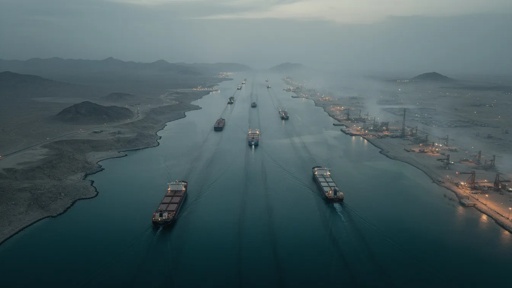
Twenty-three thousand trapped sailors and a chokepoint that controls a quarter of the world’s oil supply have become the flashpoint in a high-stakes standoff that could reshape global energy markets.
A Desperate Gamble with Devastating Costs
Iran’s decision to blockade the Strait of Hormuz represents an act of economic self-sabotage wrapped in the language of geopolitical resistance. By mining the waterway and preventing ship passage, Tehran has trapped crews and cargo while simultaneously hemorrhaging revenue. The regime loses half a billion dollars daily under current U.S. sanctions and blockade conditions. This is not the behavior of a nation confident in its position but rather one backed into a corner and lashing out.
The Human Toll Nobody Expected
Beyond the economic abstractions lies a concrete humanitarian emergency. Nearly 23,000 sailors representing 87 different nations remain stranded on vessels in the Persian Gulf. These are not soldiers or political actors but ordinary workers caught in the crossfire of geopolitical conflict. They face uncertain food supplies, psychological strain, and the constant threat that their situation could deteriorate further. Their governments have privately appealed to the United States for assistance, recognizing that only American military capability can effectively restore passage through these contested waters.
Why International Law Matters When Power Meets Principle
Secretary Rubio’s assertion that Iran cannot dictate who uses the Strait of Hormuz rests on solid legal ground. The waterway qualifies as an international passage under maritime law, and no single nation holds the authority to close it at will. Iran’s claim to control traffic based on military capability rather than legal right represents a fundamental challenge to the rules-based international order. When nations abandon legal frameworks in favor of raw power, the entire system of global commerce and security becomes destabilized.
Rubio’s characterization of Iran’s proposal to reopen the strait with Iranian permission as unacceptable reflects this principle. The Iranian position essentially amounts to extortion dressed in diplomatic language. Open the waterway only if other nations coordinate with Tehran, pay tribute, or face military consequences. This is not negotiation; it is coercion. The United States correctly recognizes that accepting such terms would set a catastrophic precedent for every other regional power or rogue state watching to see if blockades work.
The Economic Weapon That Backfired
American sanctions targeting Iran’s oil sector have proven devastatingly effective. Ninety percent of Iran’s trade has been halted, crippling the regime’s ability to fund military operations, pay government workers, or maintain basic services. Rather than forcing capitulation, however, Iran has doubled down by attempting to weaponize the Strait of Hormuz itself. This miscalculation reveals desperation rather than strength. A nation losing 500 million dollars daily cannot sustain a prolonged blockade, yet Iran continues anyway, suggesting the blockade serves purposes beyond rational economic calculation.
BREAKING: Secretary Rubio sounds the alarm about reports that Iran could move to control traffic in the Strait of Hormuz as he announces the U.S. is expecting a response on peace negotiations today:
"We've seen the reporting overnight that Iran has established or trying to… pic.twitter.com/5xX2Dcq7tW
— Fox News (@FoxNews) May 8, 2026
The global economy feels the pressure acutely. Oil prices face upward pressure as markets price in supply uncertainty. Insurance premiums for vessels transiting the Gulf have skyrocketed. Shipping companies reroute cargo through longer, more expensive passages. These costs ultimately flow to consumers worldwide, making energy and goods more expensive. China, Europe, India, and other major oil importers face particular vulnerability, yet none possess the naval capacity to independently guarantee safe passage through the Strait.
American Leadership When It Matters Most
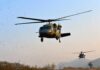
The United States has positioned itself as the guarantor of maritime freedom in the Gulf, a role it can credibly fulfill given its naval dominance. American escorts are actively restoring navigation through the contested waters, physically clearing a path for commercial vessels. This is not military aggression but rather the provision of a global public good that benefits all nations regardless of their relationship with Washington. The contrast could not be starker: Iran uses its military to restrict commerce while the United States uses its military to enable it.
Operation Epic Fury, the initial military response, has concluded according to Rubio’s announcement. The shift toward defensive operations focused on Hormuz clearance represents a measured approach that maintains pressure while leaving room for diplomatic resolution. The United States is simultaneously pushing for a United Nations resolution condemning Iranian mines and attacks, seeking to isolate Iran diplomatically while maintaining military readiness. This combination of approaches reflects strategic sophistication rather than recklessness.
What Comes Next
The blockade persists despite American military presence and economic pressure, suggesting Iran remains committed to this course despite its obvious costs. Whether Iran will eventually capitulate to the combination of military escort operations and economic sanctions remains uncertain. What is clear is that the United States has correctly identified this as a test of whether international law and maritime freedom will prevail or whether regional powers can successfully hold global commerce hostage. The answer to that question will reverberate far beyond the Persian Gulf.
Sources:
Rubio: Around 23,000 people trapped on ships in Persian Gulf due to Iran’s blockade
Secretary Rubio: The Iranian regime cannot dictate who uses the Strait of Hormuz